When it comes to the construction of buildings and other structures, one of the most crucial considerations is ensuring their ability to withstand seismic activity. Earthquakes can cause immense damage to buildings, resulting in devastating consequences for both property and human life. This is why bracing seismic is of utmost importance in the field of structural engineering.
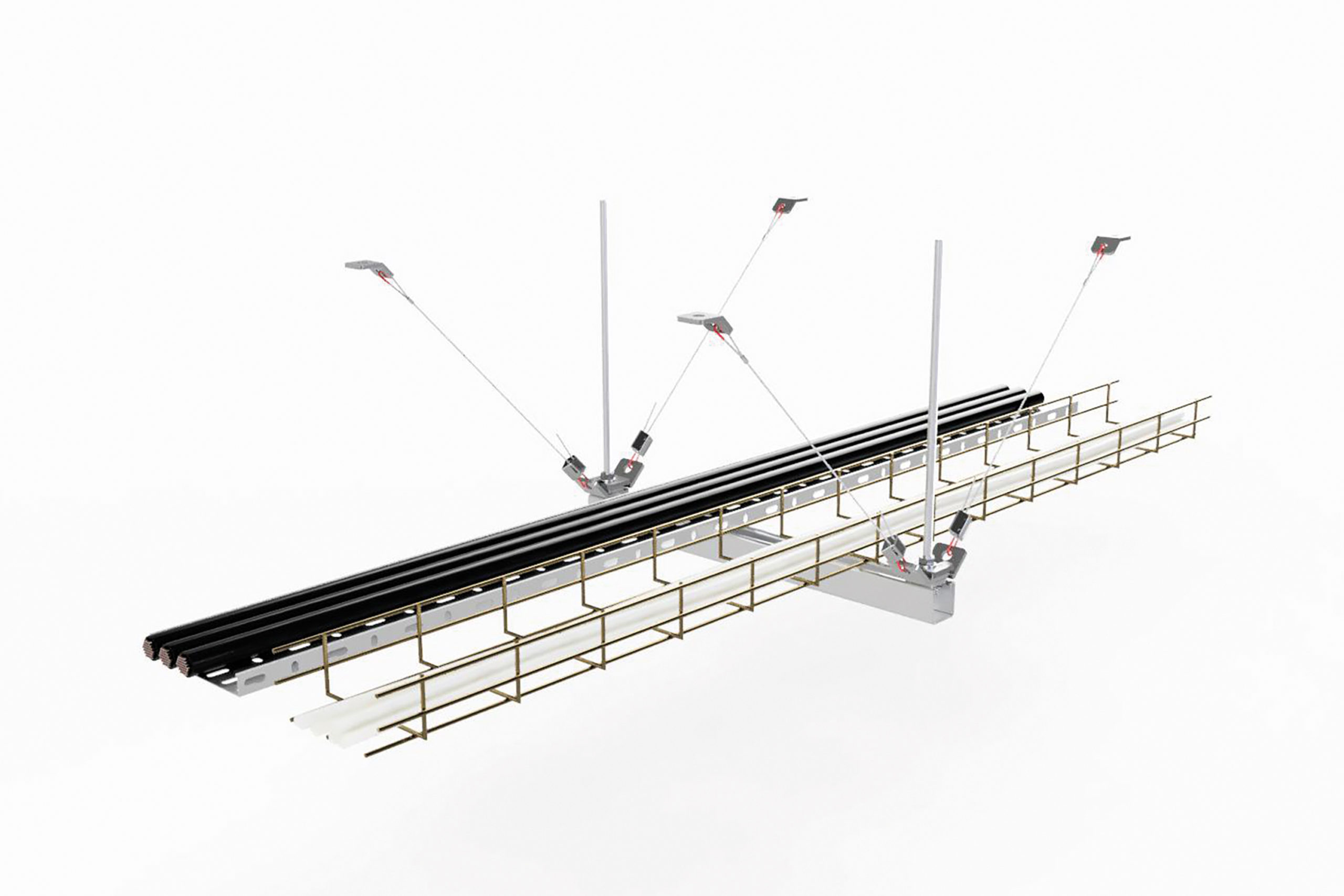
Seismic bracing is the process of designing and installing various structural elements to help stabilize a building during an earthquake. These elements are intended to redistribute forces and stresses that occur during seismic events, thereby minimizing damage and ensuring the structural integrity of the building. Without proper bracing, a building is at risk of collapsing or experiencing severe structural damage in the event of an earthquake.
One of the key aspects of seismic bracing is the use of braces or structural elements that are specifically designed to withstand the forces exerted by seismic activity. These braces are typically made of steel and are strategically placed throughout the building to reinforce its structural components. By distributing the forces caused by an earthquake, these braces play a vital role in preventing the building from collapsing or sustaining significant damage.
There are several different types of bracing systems that can be used in seismic design. One common type is the diagonal brace, which is installed diagonally between structural components to help dissipate seismic forces. Another type is the concentric brace, which is typically used in steel frame structures to provide lateral stability during an earthquake. These braces work together to enhance the building’s overall capacity to withstand seismic activity.
In addition to braces, other elements of seismic bracing include shear walls, moment frames, and base isolators. Shear walls are vertical elements that help resist lateral forces, while moment frames are designed to provide ductility and flexibility in the event of an earthquake. Base isolators, on the other hand, are devices that separate the building from the ground, allowing it to move independently during an earthquake and reducing the impact of seismic forces on the structure.
Proper seismic bracing is not only essential for ensuring the safety of occupants during an earthquake but also for preserving the structural integrity of the building itself. Without adequate bracing, a building is susceptible to damage that can be costly to repair and may even result in the need for complete demolition and reconstruction. By investing in seismic bracing during the design and construction phases, building owners can mitigate the risk of earthquake-related damage and protect their investment in the long term.
Furthermore, seismic bracing is not only important for new construction but also for existing buildings that may not have been adequately designed to withstand seismic forces. Retrofitting older buildings with seismic bracing can help improve their resilience and reduce the risk of damage during an earthquake. In regions prone to seismic activity, such as California and Japan, retrofitting existing buildings with bracing systems has become a common practice to ensure the safety of occupants and the longevity of the structures.
In conclusion, bracing seismic is a crucial aspect of structural engineering that plays a vital role in ensuring the safety and stability of buildings during seismic events. By incorporating various bracing systems and elements into the design and construction of a building, engineers can enhance its ability to withstand earthquakes and minimize the risk of damage. Whether it is a new construction project or a retrofitting of an existing building, investing in seismic bracing is essential for protecting lives and property in earthquake-prone regions.